
17 February 2025
Gas Plant Profile: Rybnik, Poland
PROJECT: 882,9 MW combined cycle gas turbine (CCGT), the largest single gas unit in the country, + 588 MW OCGT. They will replace four 225 MW hard coal units which will be gradually phased-out.
LOCATION: Rybnik, Poland (south)
UTILITY: PGE
STATUS: In construction. According to the planned schedule, the power plant will be operational by December 2026.
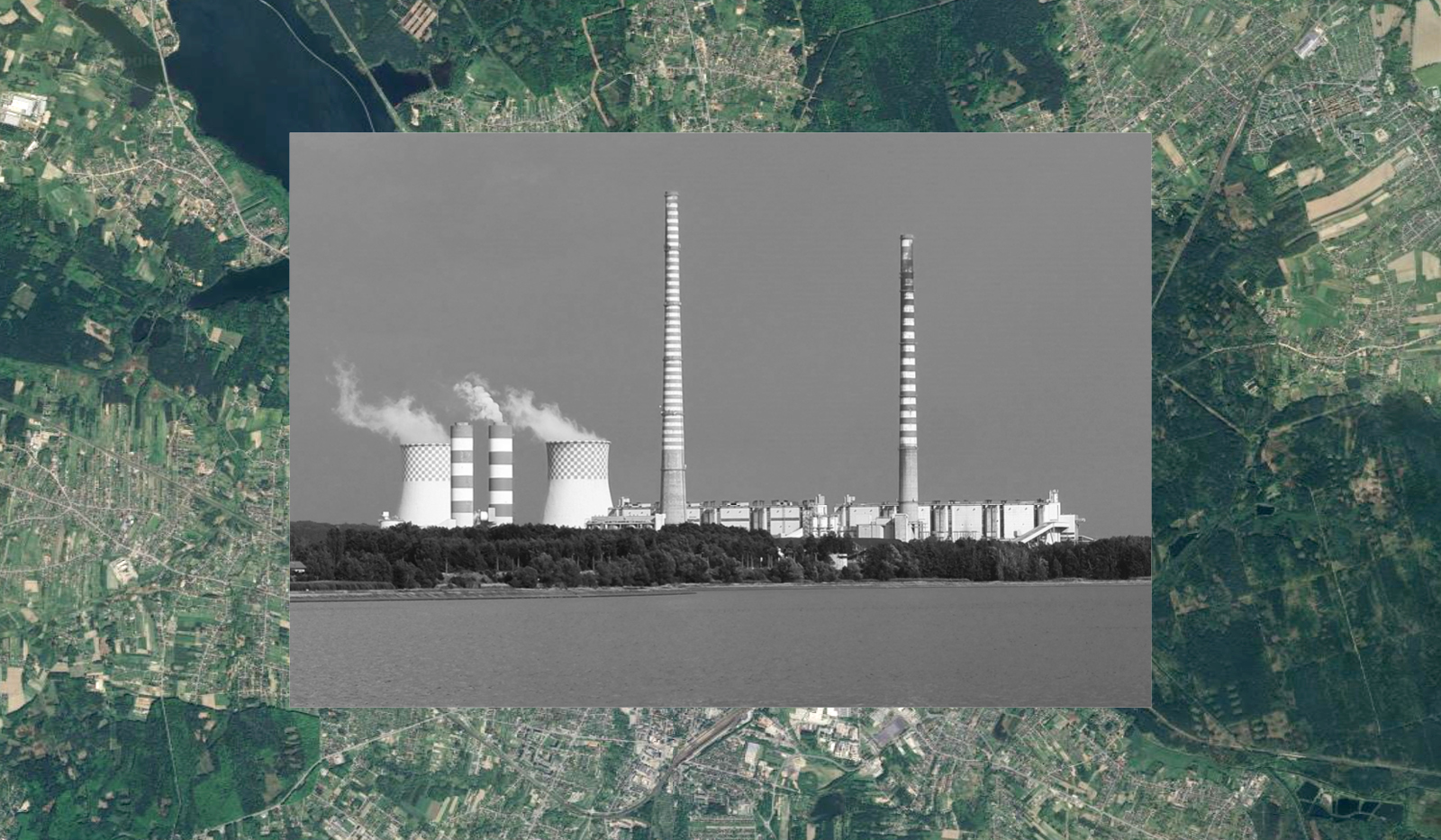
Map data: ©2025 Google, © Airbus | The existing Rybnik Power Station coal-fired power station image: © By Kamil Czaińsk
A large hard coal-fired power plant has been operating in Rybnik since 1972. Between 2012 and 2018, then owner of the station EDF Poland was developing plans for a new coal cogeneration unit. However, state-owned energy giant PGE bought the power plant and decided to replace the existing 900 MW coal blocks with a combined cycle gas turbine (CCGT) instead.
In the December 2022 capacity market auction, the new Rybnik fossil gas unit won a 17-year contract starting from 2027, securing funding for a new power plant. Construction began in 2023, and the plant is expected to be operational by the end of 2026.
The Association for Earth and The Workshop for All Beings used environmental arguments to challenge the project in 2024, citing the increased strain on the water supply in a region which already has water scarcity, and the negative impact on the fauna in the Rybnik Lake and the Ruda river. The organisations argued that the Environmental Impact Assessment was incorrectly prepared, therefore construction shouldn’t start. However, the regional authorities dismissed these arguments.
The negative impact of gas power plants on water resources is significant. Poland has approximately 4-5 times fewer water resources per capita than the European average, and the Rybnik project is located in an area already experiencing water shortages.
Surprisingly, the largest protest against the gas plant in Rybnik so far was organised by the coal industry trade unions. They argue that the gas-fired power plant breaches the 2021 social contract protecting the coal mining and power sector because it would force Polish mines to close before 2044.
The fossil gas unit in Rybnik will be the largest of its kind in Poland and one of the biggest in Europe. The 882 MW block will use approximately one billion m3 of fossil gas per year, with emissions amounting to 320 g of CO2 per kWh of electricity generated. PGE describes the unit as “hydrogen-ready”, yet no green hydrogen has been produced in Poland so far.
In August 2025, PGE announced plans to build another gas unit (588 MW) on the Rybnik site. This project aligns with their new company strategy to build 10 GW of gas-fired capacity over the next 10 years. The unit will be operational in 2029. In January 2026, PGE selected a contractor consortium for the second unit, which includes Siemens Energy.
Rybnik is located in one of the most industrialised and energy intensive regions of Poland. However, the country is experiencing a significant increase in renewable energy capacity in recent years. The share of coal in electricity production fell from 87 percent in 2010 to 61 percent in 2023 and is gradually being replaced by cheaper and faster-to-build renewable sources, notably solar. In total, Poland deployed 33 GW of RES: 20.6 GW of PVs and 10.1 GW of onshore.