
05 August 2025
Gas Plant Profile: Mintia, Romania
PROJECT: A former coal plant, the Mintia gas-fired power plant is the largest single installation in the EU, with a capacity of 1.77 GW.
LOCATION: Mintia, Romania
UTILITY: Mass Group Holding Ltd
STATUS: Mintia began operations in the fall of 2026.
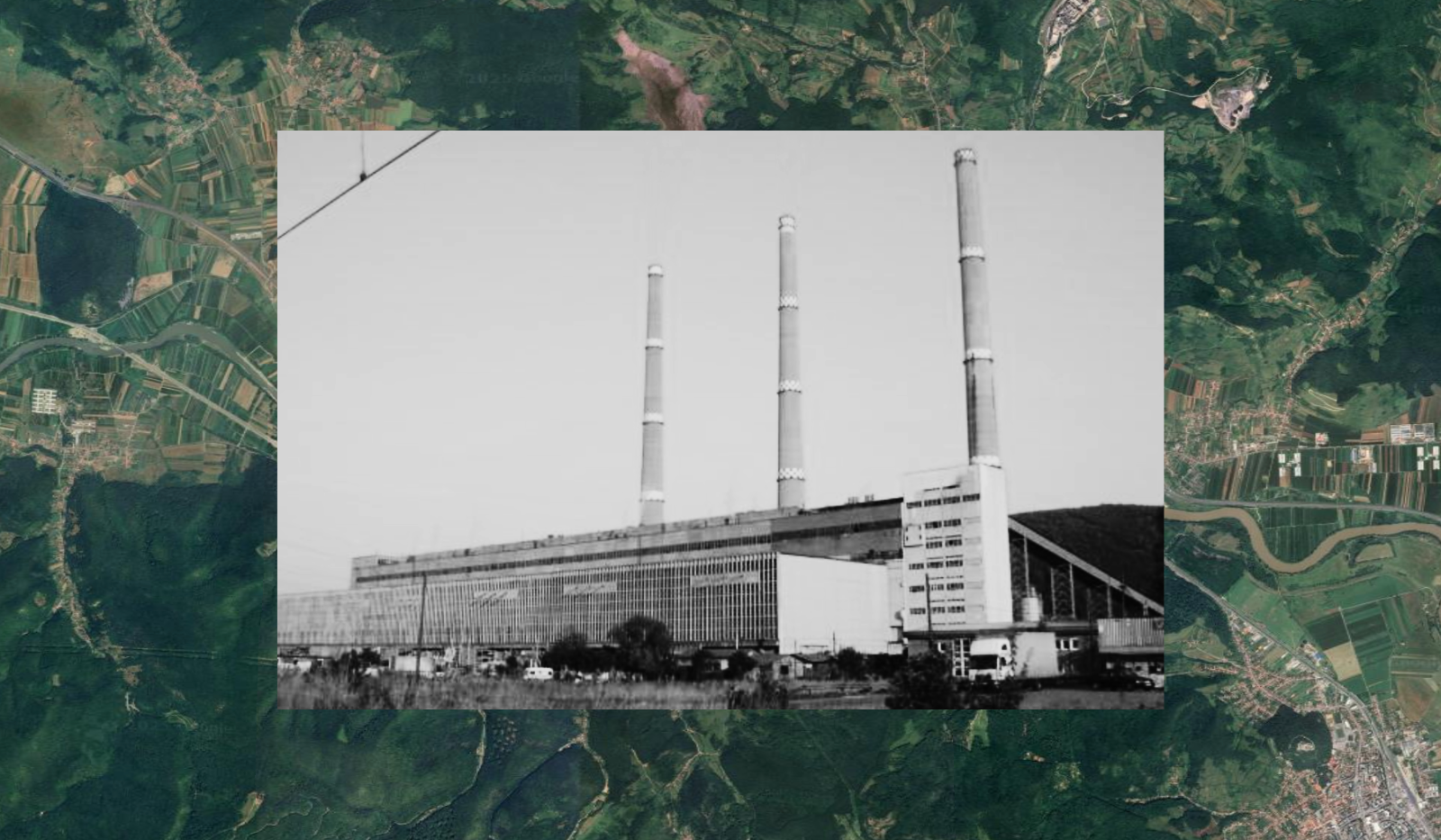
Map data: ©2025 Google, © Airbus | The former Mintia Coal-Fired Power Station image: © By adriansibiu
According to Romania’s national energy and climate plan (NECP), the country plans to add 2.6 GW of gas-fired capacity by 2030. However, announced projects total nearly three times this planned capacity, exceeding 6 GW. One of the mega projects contributing to this goal is the Mintia gas-fired power plant.
In 2023, Mass Group Holding Ltd announced that it will invest EUR 1 billion to convert the defunct Mintia coal plant into a new combined-cycle gas turbine (CCGT) power plant. The plant’s proposed capacity of up to 1,770 MW was double what was listed in Romania’s NECP, 860 MW. The project was completed in October 2026, with the first phase set to deliver at least 1,000 MW of capacity.
The Romanian government has declared the Mintia gas plant as a project of national importance, which granted it exemptions from regulations and local taxes in order to expedite construction. The plant is set to become the largest industrial consumer of fossil gas in Romania.
Romania is one of the largest recipients of the EU Modernisation Fund, which supports the energy transformation of lower-income EU countries. However, Romania is using the funds meant for decarbonisation to build new gas infrastructure like the Tuzla-Podisor pipeline. This pipeline will supply the gas extracted from the Neptun Deep offshore drilling to the national gas grid. Romania has also financed through the Modernisation Fund other three gas pipelines dedicated to supplying new gas power plants, including Mintia.
According to Bankwatch, the Environmental Impact Assessment (EIA) failed to consider the estimated greenhouse gas emissions from the Mintia gas plant when approving the pipelines. The plant alone will emit 5 million tonnes of CO₂ annually, equivalent to the combined emissions of all gas-fired power plants in Romania. With an expected lifespan of at least 30 years, the plant’s operations will extend well beyond the deadline by which Romania plans to be climate neutral.
Not only is the plant a threat to the climate, it’s also a bad financial decision. In May 2025, the European association of transmission system operators, ENTSO-E, published a report revealing that Romania’s planned gas capacity, including Mintia, would not be economically viable by 2035.
The developers claim that the project aligns with the EU’s green taxonomy and is ready to be transitioned to green hydrogen, yet they provide no details on when or how this transition would take place. An August 2024 study by IEEFA shows that using hydrogen in gas-fired power plants would be costly and would lead to higher electricity prices, casting doubt on whether the transition to hydrogen will ever actually happen. Given the unrealistically high number of plans across many sectors to use green hydrogen, and how unaligned Europe’s green hydrogen supply availability is with these plans, it is unlikely that the plant would be running on green hydrogen any time soon.
Now operational, the plant requires a large volume of gas, increasing Romania’s reliance on imports and making the country more vulnerable to fossil fuel price and supply shocks. Mintia could amount to almost a quarter of Romania’s total gas consumption and almost 30% of current domestic production alone.
The high costs, high emissions, and poor economic outlook show just how unviable the Mintia project is. Romania has access to substantial EU funding and possesses untapped potential for solar,wind and battery storage development.
Romania’s energy crisis has highlighted the risks of relying on delayed, expensive gas projects, while battery storage is advancing much faster and providing much-needed grid flexibility. The country’s battery storage capacity grew from zero projects in 2024 to 1,162 MW (2,312 MWh) by September 2026. Meanwhile, the country’s other gas power projects, Isalnița and Turceni, have faced rising costs and failed tenders, with Isalnița’s developers switching to battery storage at the site. Instead of locking itself into decades of fossil fuel dependency, Romania should prioritise investments in renewable energy and clean flexibility solutions to strengthen energy security and meet its climate goals.