23 September 2025
Gas Plant Profile: Lippendorf, Germany
PROJECT: One of Germany’s most polluting coal plants, Lippendorf will be replaced by a gas plant with a capacity of 900 MW by 2027.
LOCATION: Lippendorf, Germany
UTILITY: EPH subsidiaries: EP Energy Transition and LEAG
STATUS: The gas conversion project was announced in 2022. Construction is expected to begin in 2026 if LEAG wins subsidies via the capacity market.
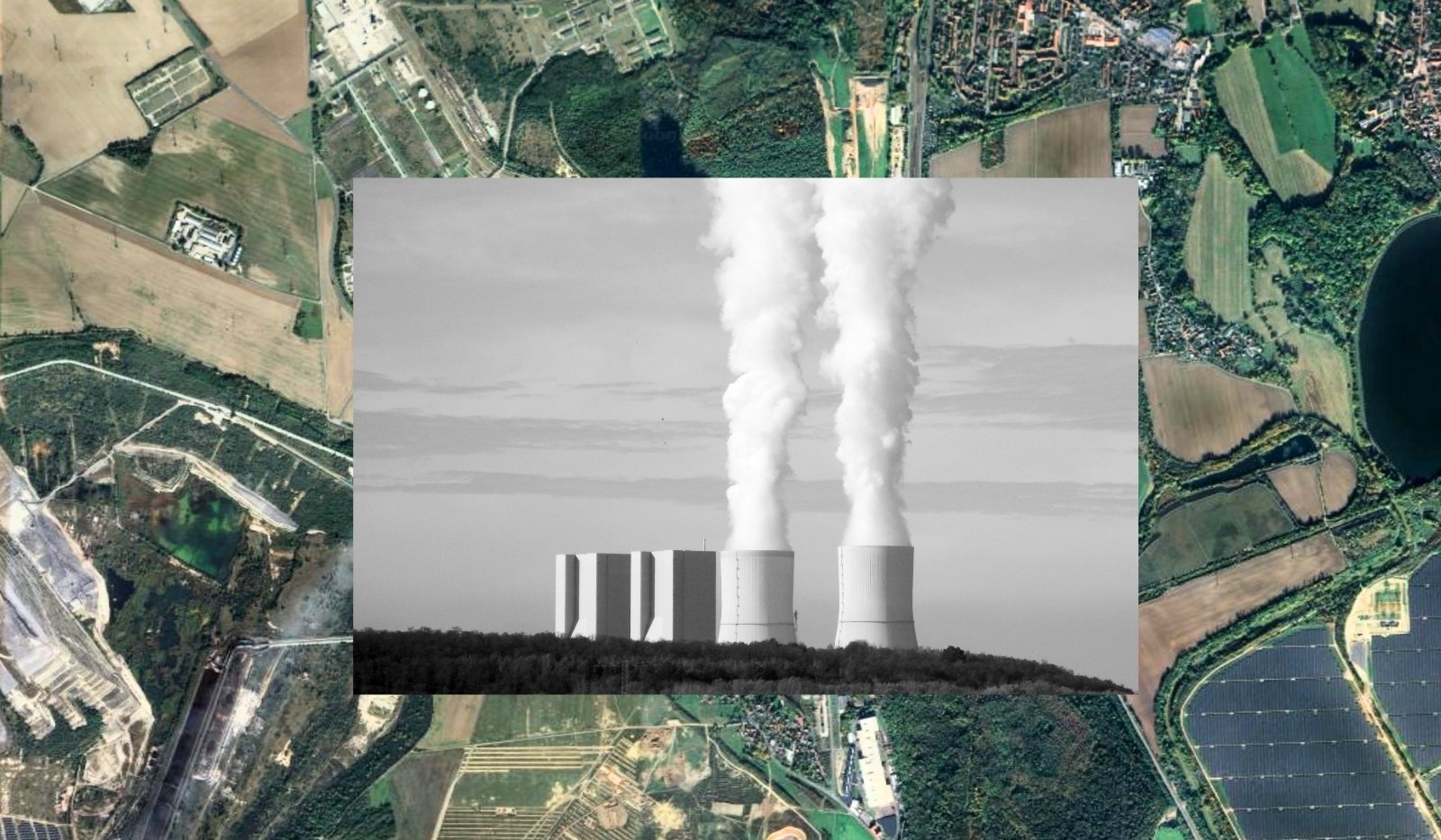
Map data: ©2025 Google, © Airbus | Power Station image: © Public Domain
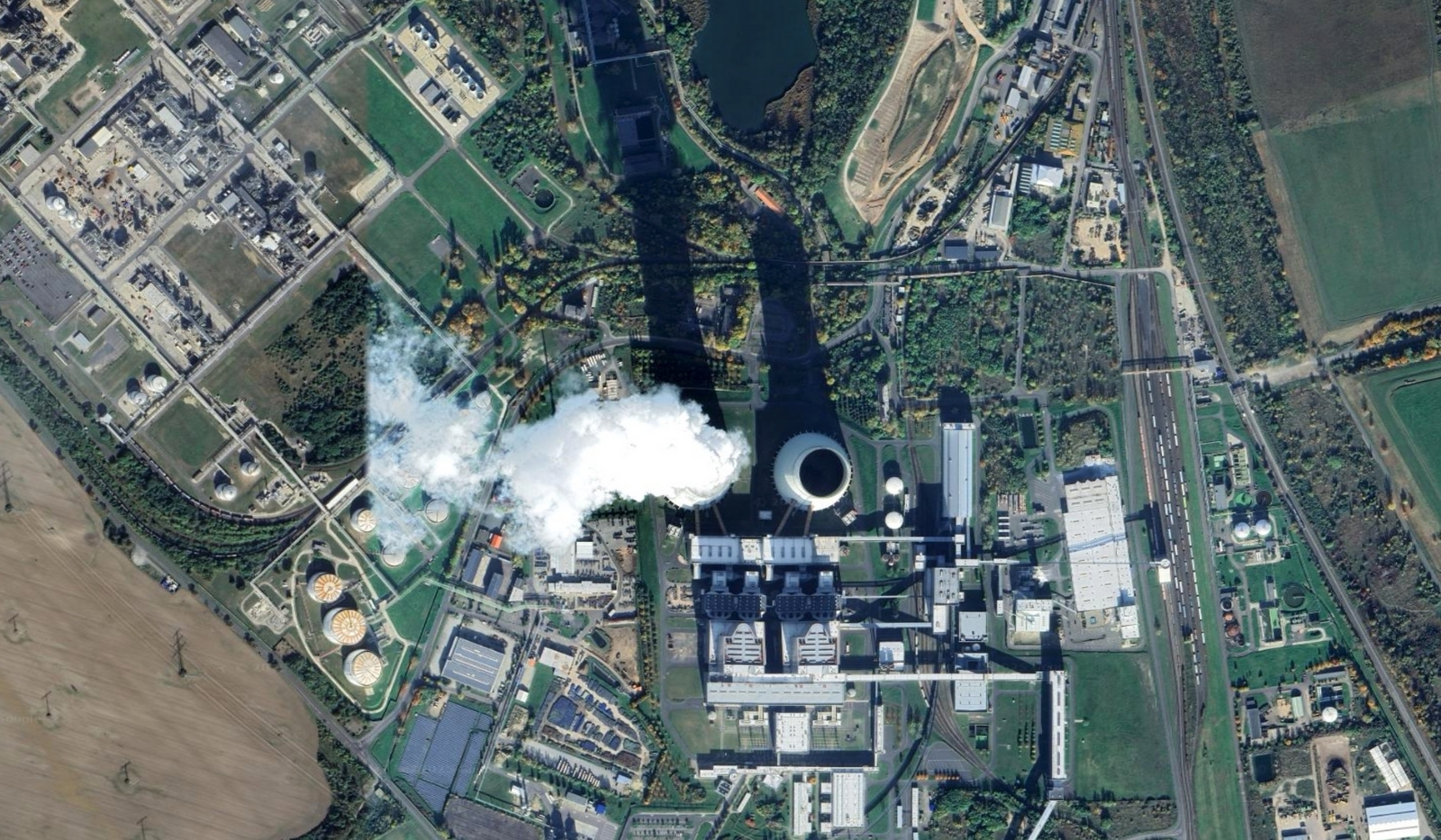
The Lippendorf coal power station (1866 MW) is operated by the German energy company and subsidiary of Czech utility Energetický a průmyslový holding (EPH), LEAG. One block is co-owned by LEAG and the other by EnBW. In May 2025, EnBW sold its half of the Lippendorf power station to the Czech company EP Energy Transition. The company will take over the plant from January 2026.
With 11.1 million tonnes in CO2 emissions in 2021, Greenpeace ranked the Lippendorf coal power plant third on its list of the “most harmful coal-fired power plants in Germany“.
Under Germany’s Coal Phase-Out Act, coal plants need to be shut down by the end of 2038. To maintain operations at the Lippendorf site after coal is phased out by 2035, LEAG plans to build a “hydrogen-ready” gas plant there by 2027.
After announcing its new gas plans, LEAG held meetings with local residents, who voiced concerns that the gas plant will be noisy and lower the quality of life for the community. Despite these complaints, LEAG is still moving forward with the gas plant.
In May 2026, civil society organisations protested the plant, saying that new gas infrastructure makes fossil fuel companies rich while millions of people worldwide suffer from the destructive extraction and burning of fossil gas.
Lippendorf’s conversion aligns with Germany’s wider fossil gas strategy. Although the federal government initially pushed for 20 GW of new gas capacity, the EU commission has allowed 10 GW. Germany plans on designing a new capacity market, which will hold the first two auctions in September and December 2026 for 4.5 GW each. In January 2026, LEAG confirmed plans to bid for subsidies in the capacity market, with implementation ready to start as soon as a contract is awarded.
With already 95% of its gas supply reliant on imports, Germany cannot protect energy security by expanding fossil gas. There is no reason to subsidise gas capacity when clean flexibility solutions can provide the necessary adequacy more cost-effectively. The draft federal power plant strategy law acknowledges that the construction of new gas plants to secure electricity supply could cost electricity customers up to EUR 3 billion in 2031, and EUR 0.9-2.3 billion annually from 2032.
Czech utility EPH and its web of subsidiaries (LEAG, EPETr, MIBRAG) pose a threat to Germany and Europe’s energy transition. The company buys up aging fossil fuel plants from German utilities trying to decarbonise their portfolios. With zero intention to phase out coal, EPH ramps up operation of the plants with the help of taxpayer money. EPH also has the largest gas expansion plans in Europe by far and has been using corporate manoeuvres to conceal its emissions, continue investing in coal, and potentially avoid paying mine recultivation costs to German villages affected by coal mining.