
26 November 2025
Gas Plant Profile: Roskovec, Albania
PROJECT: The planned 170 MW station in Roskovec is set to be Albania’s first active gas plant.
LOCATION: Roskovec, Albania
UTILITY: Fier Thermoelectric, GEK Terna, DEPA Commercial
STATUS: In Sept. 2025, the Albanian energy regulator, Energy Regulatory Authority, suspended the plant’s license. In 2026, developers started construction without a renewed environmental permit.
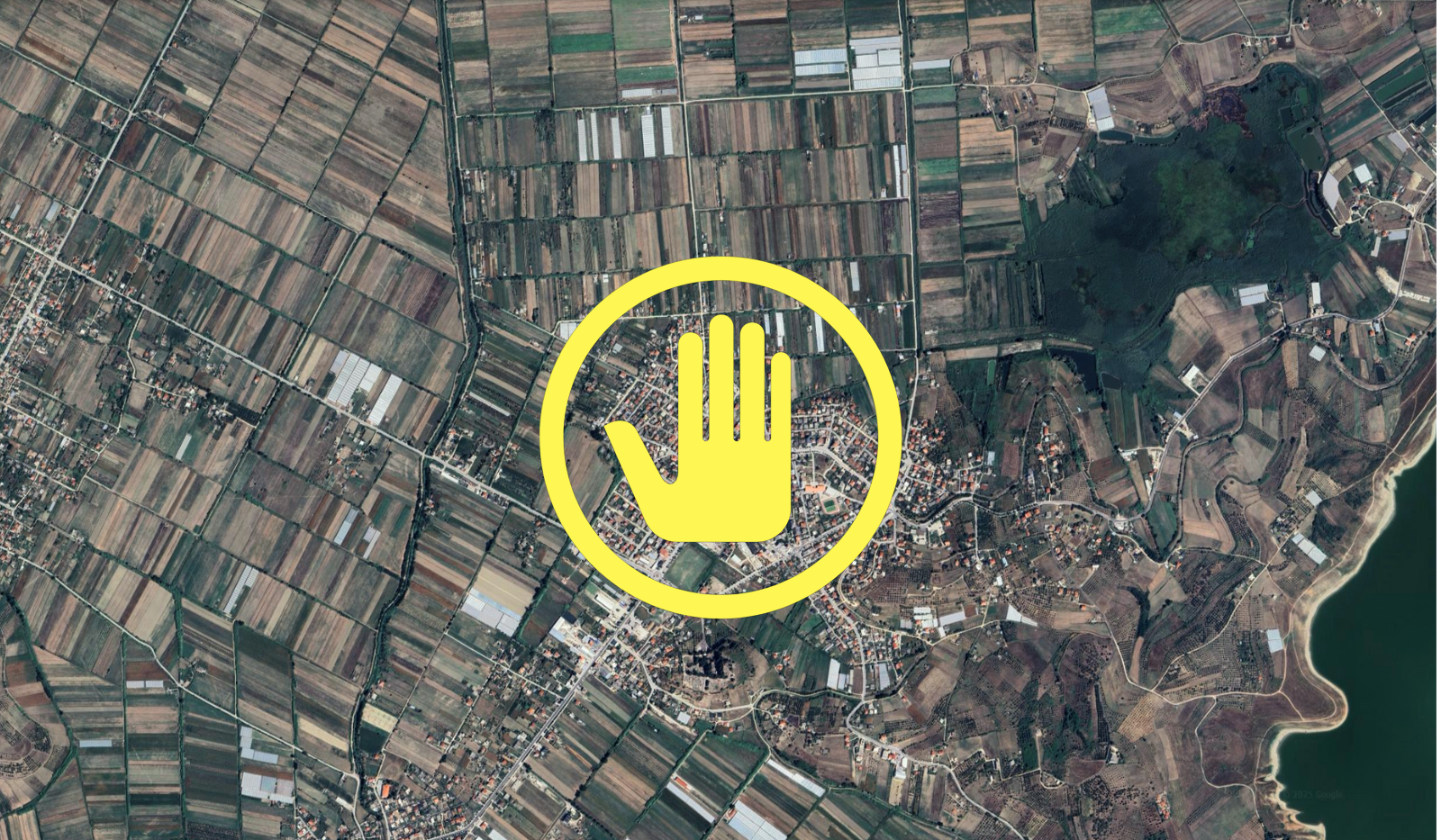
Map data: ©Google, Airbus – 2023
The Roskovec fossil gas plant project is a joint venture between Greek conglomerate GEK Terna, state-owned gas supplier and trader DEPA Commercial, and the state-owned company Fier Thermoelectric. The stated aim of the project is to diversify Albania’s energy mix and position the country as a net exporter of electricity. The plant is expected to begin operations in 2028 and run for 49 years, using gas from the Trans Adriatic Pipeline for at least the first seven years.
However, the project has stalled. In late 2025, the Energy Regulatory Authority suspended the licensing procedure for the Roskovec gas plant due to incomplete documentation. The authority requested financial documentation, a water permit, and the resolution of ongoing legal proceedings in order to proceed with the project.
The project also faces significant opposition from farmers and residents of nearby villages, who say they were not consulted during the planning process. The plant is planned to be built on 700 hectares of agricultural land, which residents argue would endanger their health, livelihoods, and property, as it is expected to severely impact farmland and greenhouse operations.
In May 2024, residents of Roskovec filed a criminal complaint with Albania’s Special Structure Against Corruption and Organized Crime (SPAK) against Roskovec Mayor Majlinda Bufi. They argued that the gas plant would pollute the area and endanger public health, while prioritising foreign export, as 90% of the electricity produced at Roskovec would be exported to Greece.
In December 2024, dozens of residents of five villages in Roskovec protested against the construction of the power plant after the project had been approved by the Council of Ministers.
Despite the opposition, in early 2026, developers went ahead with construction without a renewed environmental permit.
This gas project is not an investment for Roskovec, but a threat. Rather than providing energy to the local community, it actively undermines their livelihoods and primarily serves external interests. Albania already produces 100% of its electricity from renewables. It has massive solar potential and is developing two floating solar projects that use existing hydropower infrastructure, rather than valuable land. Instead of letting the fossil fuel industry take over and put their profits ahead of the public’s needs, the country should continue investing in clean energy. Local renewable energy solutions, including updated grids, clean flexibility, and battery storage, support national energy goals, stabilise the energy system, and provide financial benefits to communities.