
Fossil Gas
Europe’s continued reliance on fossil gas comes at a staggering cost. The extraction, transportation and burning of this fuel not only contribute to climate change and thousands of premature deaths each year, but also drive energy poverty, and make us vulnerable because of our heavy dependence on imports. Despite these warnings, many countries in Europe plan to increase their fossil gas capacity in the electricity sector. This is diverting crucial investments away from renewable energy solutions that are vital for cutting bills, safeguarding our health, and securing a prosperous future for our children. It is imperative that we swiftly prioritise the phaseout of fossil gas and redirect our resources towards clean and sustainable alternatives so that we take back control of our energy supplies, and address the biggest crisis of our age: the climate emergency.
-

Dolna Odra coal plant shuts down
Due to the unprofitability of coal, PGE finally shut down the Dolna Odra coal plant after two units were converted to gas in 2024. While the plant’s closure is an important step in Poland’s slow transition away from coal, and a win for public health and the economy, the switch to gas is a mistake that risks keeping Poland dependent on expensive, dirty fossil fuels.
-

European Commission denies Romania’s request to extend life of coal plants
The Romanian government’s request to delay the closure of coal plants was denied by the EC because it could not demonstrate that meeting decarbonisation targets would threaten energy security. The European Commission also said the targets under the Resilience Facility can no longer be revised, given the limited time remaining before the scheme expires.
-
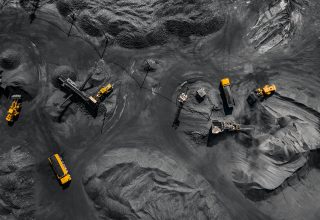
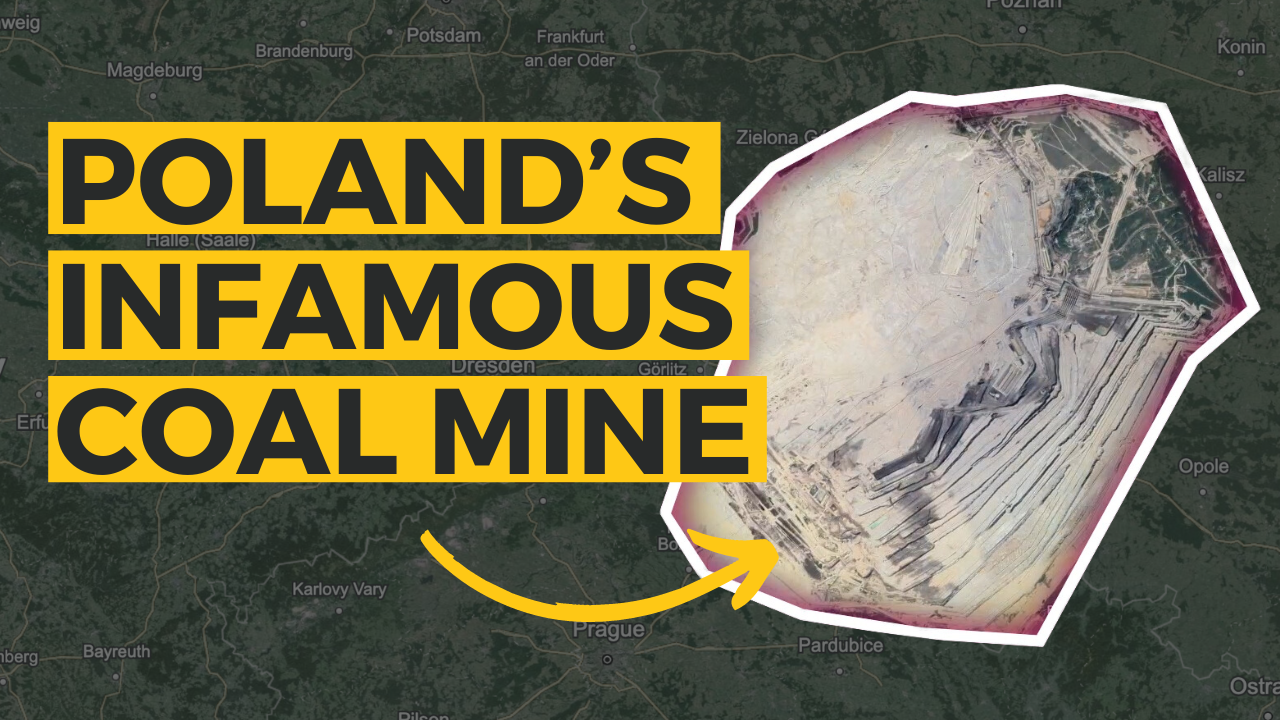
One of Poland’s oldest coal mines to close after 122 years
The Bielszowice coal mine is closing after 122 years of operation, reflecting the decline of Poland’s coal industry. The sector is growing more unprofitabile and undermining the country’s competitiveness, as coal production fell to its lowest level in 2024.
-
Polish court dismisses appeals against Turow’s environmental permit
The Supreme Administrative Court in Warsaw dismissed the appeals filed by environmental organisations and upheld the immediate enforceability of the 2020 environmental decision for the Turów mine. The decision allows PGE to extend the mine’s operating license until 2044, enabling continued mining that will degrade the environment and increase pollution.
-

Germany’s coal phase-out likely to happen earlier in 2032
Germany’s coal phase-out is likely to occur earlier, driven by carbon price trends. Research from the Öko-Institut suggests rising CO2 prices could push coal out of the market as early as 2032. Refiring old coal plants in response to the Iran war’s energy market shock would distort investment signals and is unlikely to happen in practice. It’s also an ineffective way to cut costs.

*How the German coal exit translates to our countdown
Though the end date for coal is foreseen in 2038 only, the law does retire approximately 23 GW prior to 2030. For lignite plants, a plant-specific phaseout pathway exists, but for hard coal, the law does not explicitly state which plants shall retire when, as the closure pathway shall be defined through auctions first. In order to reflect that, according to the law, all but 8 GW of German hard coal capacity will retire by 2030, we made assumptions on which hard coal plants would retire before 2030 to align the hard coal closure path with our counter’s methodology, which only registers retirements when the exact coal plant is known.
In December 2020, a set of three hard coal plants that, according to our evaluation, were implicitly intended to retire after 2030 (mostly because of their young age), unexpectedly won in the first auction that determines hard coal retirements. As a result, we added it to the list of plants that are to retire by 2030 at the latest. At the same time, we did not assume that other plants are now set to retire later, i.e. after 2030, just to fulfill the intended phase-out pathway of the German law. Instead, the list of plants set to retire by 2030 grew by three. This leads to a new setup with less than the 8 GW of hard coal capacity that are described in the law will be left after 2030. In short: we anticipate a quicker phase-out of German hard coal capacity.
Despite RWE's announcement in 2022 that it plans to exit coal by 2030, the federal government has the authority to retain some of RWE's coal units as grid reserve beyond 2030. We have therefore not yet included the plants covered by RWE's announcement in the list of coal plants scheduled to retire by 2030 at the latest.