
Clean flexibility supports a reliable grid without fossil-fuels
February 23, 2026 10:00 amClean flexibility can significantly reduce dependence on gas in the power system, helping deliver electricity that is affordable, reliable, and […]

Clean flexibility can significantly reduce dependence on gas in the power system, helping deliver electricity that is affordable, reliable, and […]

As Europe accelerates its shift from fossil fuels to low-cost renewable energy, one thing is becoming increasingly clear: to fully […]

Spain quietly reached a historic milestone this summer: for a record 74 days between 3 July and 16 September, the country’s power system operated entirely without coal. With coal accounting for less than 1% of Spain’s electricity generation this year, it’s a clear sign that the country is on the brink of completing a full coal phase-out.

Distribution grids need to transition from a network where households and businesses passively consume electricity generated principally from centralised thermal power plants – to a system where electricity is generated and consumed in a much more decentralised, flexible manner. This transformation redefines the role of DSOs. Their new role as the key enablers, innovators and investors for the energy transition necessarily implies that current governance and operational structures need overhauling. Our new report sets out high-level changes needed to transform DSOs into the enablers of the clean energy transition.

A growing risk is that billions of euros in energy subsidies are being handed to fossil fuel companies, including EP Group, ENEL and RWE [6], paid for through levies on household and industrial energy bills, while proven clean and flexible technologies are pushed out of the market.

People see untethered data centre growth as a threat to Europe’s energy and water security, and want Big Tech to […]

Renewable energy comes in all sizes and shapes, from small-scale solar panels on rooftops to massive wind farms offshore. The beauty of renewables lies in their versatility and adaptability, allowing solutions to be tailored to meet the unique needs and priorities of each community. This diversity opens the door to creating a fair, clean, and prosperous energy future. Benefit sharing mechanisms are at the heart of this transformation. They ensure that renewable energy projects don’t just "land" in communities but actively involve and benefit them. When done right—not as a greenwashing exercise but through meaningful engagement and participation—benefit sharing creates win-win outcomes for developers and communities alike while advancing climate goals.
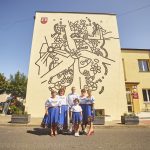
Two municipalities in Eastern Wielkopolska, Kleczew and Konin, have unveiled new murals celebrating their pride in wind energy. Painted by […]

Local municipal governments are in a unique position to drive the energy transition forward with more ease and exponential impact. By leading the shift away from polluting fossil fuels and toward cleaner, fairer energy systems, local governments can protect their communities, bolster their local businesses, reduce electricity costs, and build lasting resilience. A growing number of municipalities in Italy as well as across Europe are already showing how it can be done. The rest of Italy, with its vast solar and wind potential, strong local governance structures, and EU funding opportunities, has every reason to join them. Benefit sharing mechanisms are at the heart of this transformation. They ensure that renewable energy projects don’t just "land" in communities but actively involve and benefit them. When done right—not as a greenwashing exercise but through meaningful engagement and participation—benefit sharing creates win-win outcomes for developers and communities alike while advancing climate goals.